
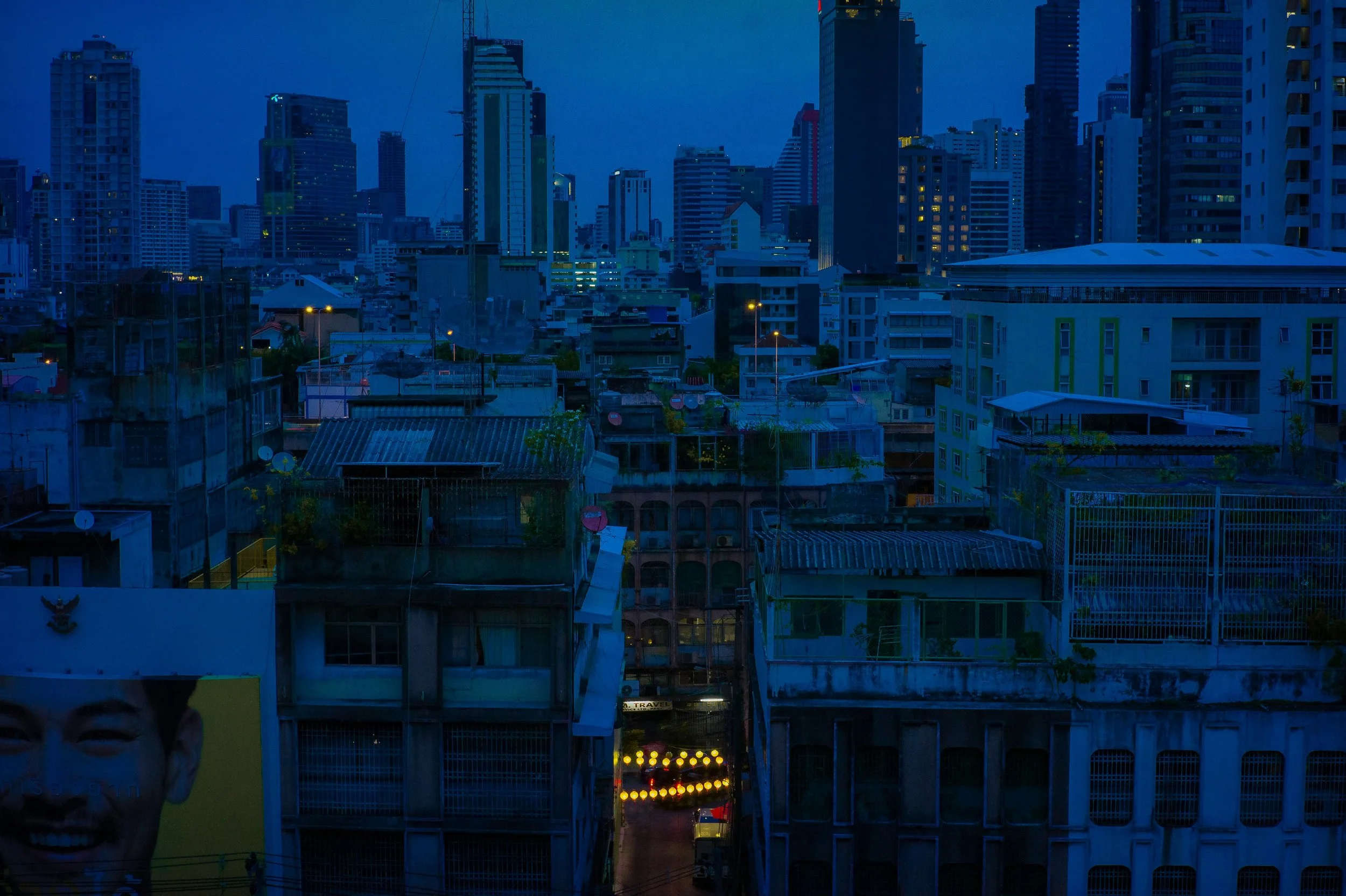
Target Project Location Summaries
What do we mean when we say:
-
These are regions where a large percentage of the population has little or no meaningful access to the gospel within their own culture or language. In many of these places, Christian communities are extremely small and believers may face cultural, social, or legal barriers when sharing their faith.
In missions research, the term “unreached people group” generally refers to a population where less than 2% of people identify as evangelical Christians and where there is not yet a sufficient local church presence to meaningfully reach the broader community.
Closely related is the term “unengaged.” An unengaged people group is one where there is currently no known church planting strategy, missionary presence, or active effort focused on bringing the gospel to that population. In other words, the gospel is not only largely unknown, but there are also few or no workers actively attempting to reach that group.
When Blacklight refers to high unreached or high unengaged demographics, we are describing places where large populations remain spiritually isolated from the message of the gospel—either because the church has not yet taken root there, or because the number of believers is too small to meaningfully reach the surrounding culture.
Understanding these demographics helps illuminate where access to the gospel is limited and where the global church continues to carry an unfinished mission.
-
Some locations hold extraordinary religious significance within a particular belief system. These places often attract pilgrims, host influential religious institutions, or serve as historical centers for theological teaching and practice.
Cities and sites like these shape the spiritual imagination of millions of people beyond their immediate region. Religious traditions, rituals, and cultural identity often converge in these locations, making them powerful centers of influence within the global spiritual landscape.
-
In other contexts, entire societies may be shaped by a dominant worldview, ideology, or religious framework that influences nearly every aspect of public life. These environments may include state-backed religions, historically entrenched traditions, or highly secular cultures where faith has largely disappeared from public consciousness.
Strongholds are not always religious in the traditional sense. In some parts of the world, secularism, materialism, or alternative spiritual philosophies can function as dominant belief systems that shape culture just as deeply as organized religion.


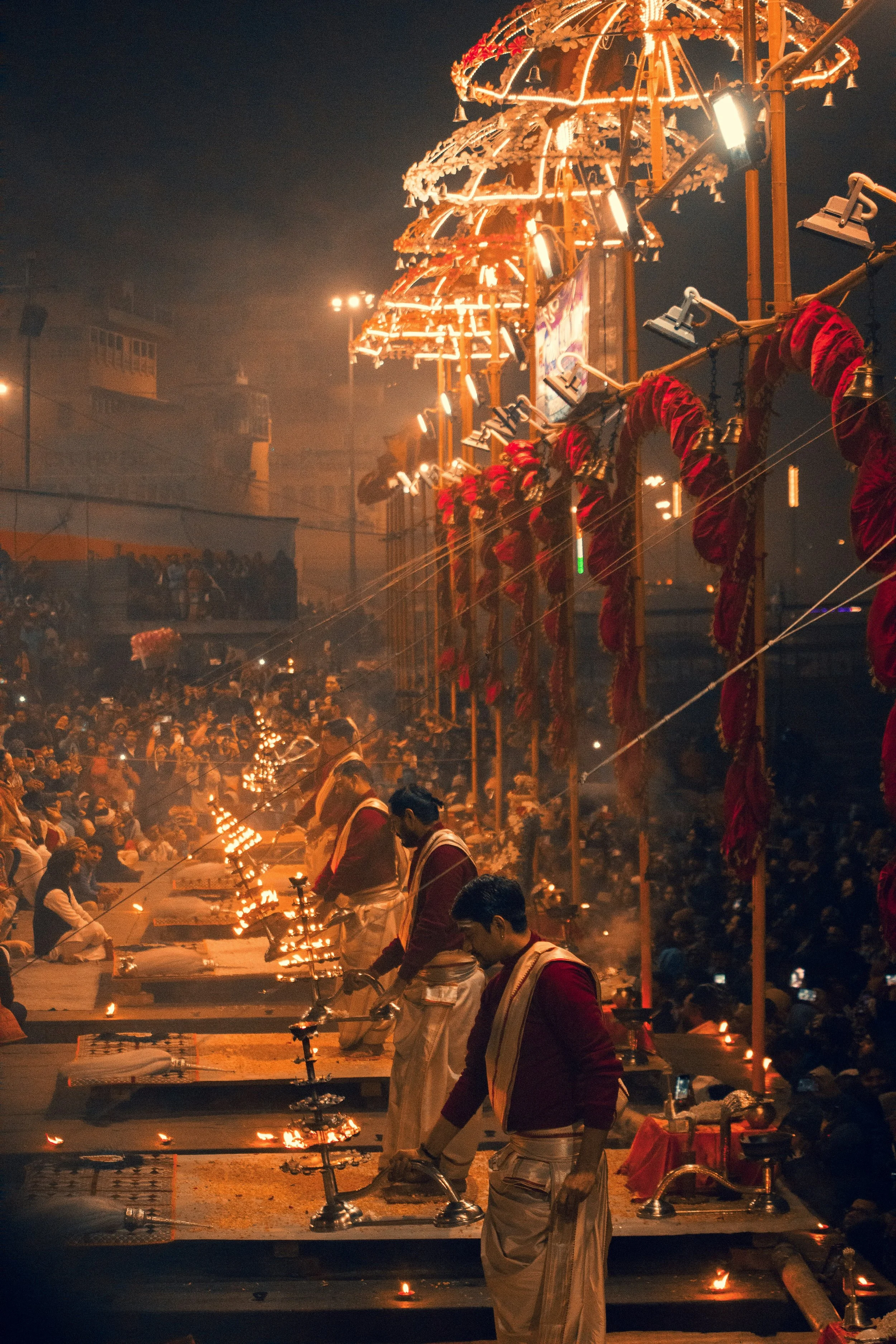
Varanasi
Country/Region: India/Uttar Pradesh
Unreached Percentage: ~96%
Primary Religion/System: Hinduism
Persecution Rate: High
Category: Epicenter
Profile
One of Hinduism’s holiest cities, where pilgrimage, ritual bathing in the Ganges, and centuries of temple devotion shape the spiritual atmosphere of everyday life.
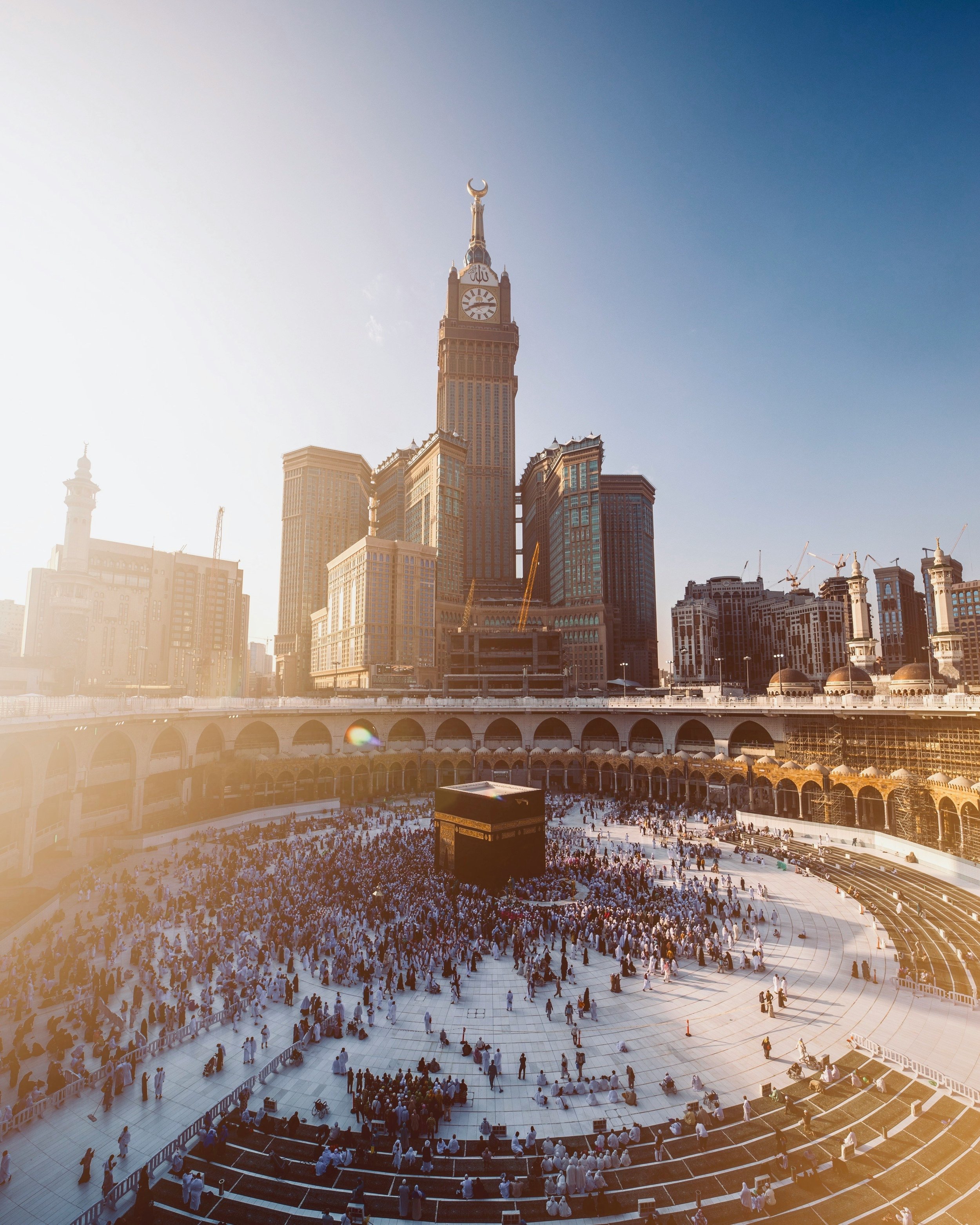
Mecca
Country/Region: Saudi Arabia/Hejaz
Unreached Percentage: ~90%
Primary Religion/System: Islam
Persecution Rate: High
Category: Epicenter
Profile
The holiest city in Islam and destination of the global Hajj pilgrimage, where religious identity and devotion define the spiritual center of the Muslim world.
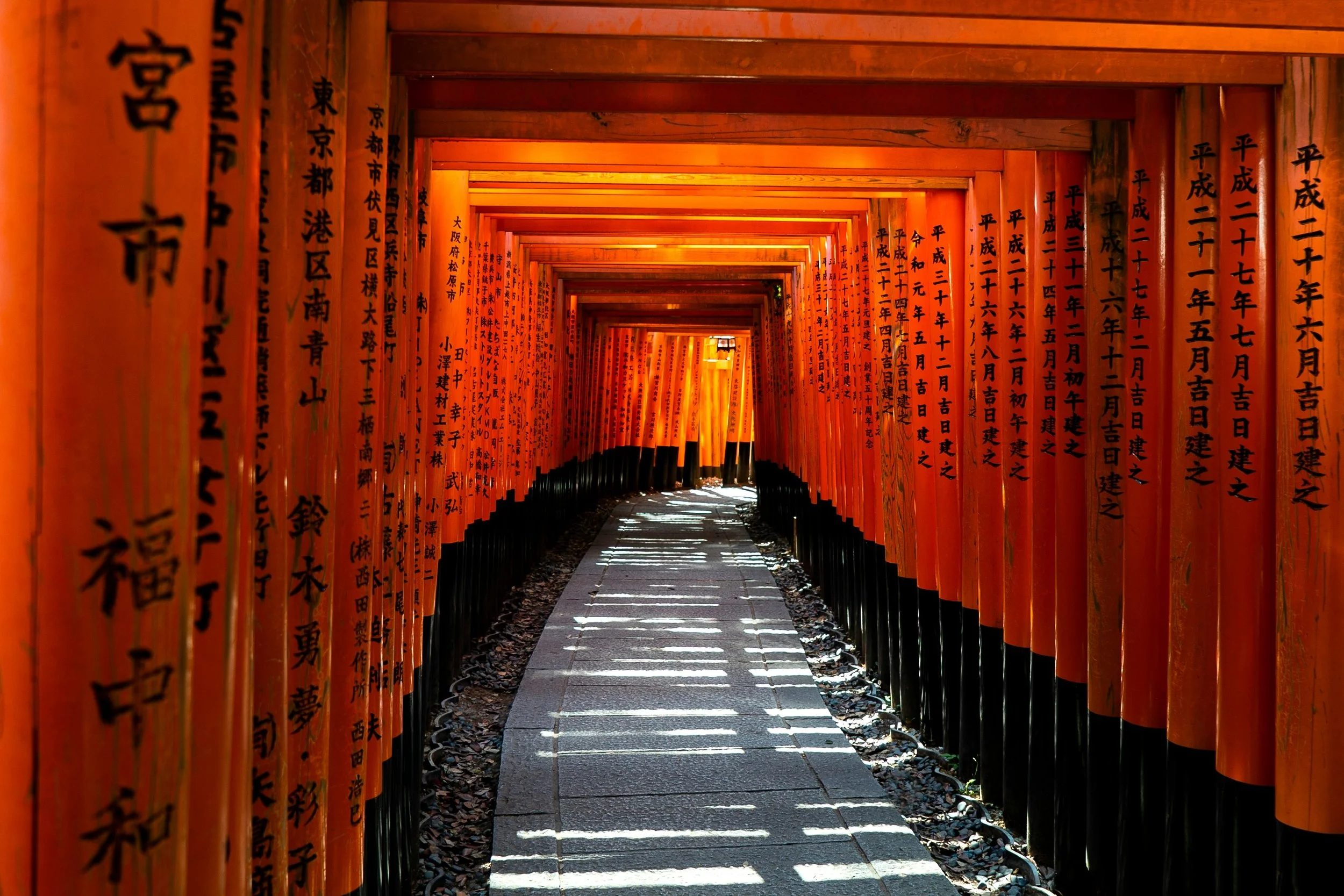
Kyoto
Country/Region: Japan/Kansai
Unreached Percentage: ~98%
Primary Religion/System: Shinto-Buddhist Syncretism
Persecution Rate: Low
Category: Epicenter
Profile
An ancient capital filled with shrines and temples where Shinto traditions and Buddhist philosophy continue to shape Japanese spiritual identity.
Chiang Mai
Country/Region: Thailand/Northern Thailand
Unreached Percentage: ~86%
Primary Religion/System: Theravada Buddhism with Animistic Traditions
Persecution Rate: Low
Category: Epicenter
Profile
A historic Buddhist center where temple culture and animistic ritual traditions deeply influence daily life and spiritual worldview.
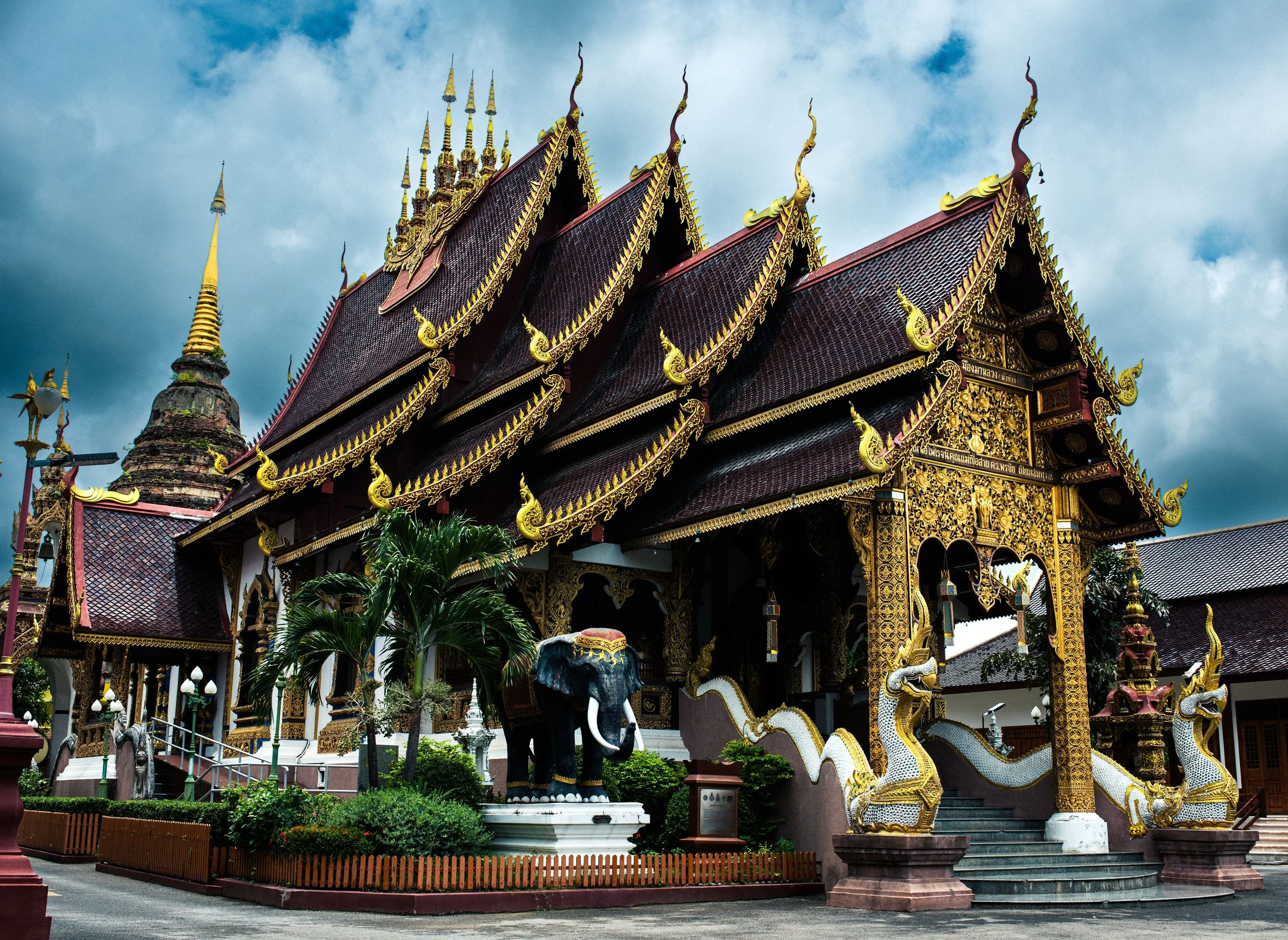
Kathmandu Valley
Country/Region: Nepal/Bagmati Province
Unreached Percentage: ~89%
Primary Religion/System: Hinduism & Tibetan Buddhism
Persecution Rate: Medium
Category: Epicenter
Profile
A sacred landscape filled with temples and stupas where Hindu and Buddhist traditions blend into one of South Asia’s most spiritually dense regions.
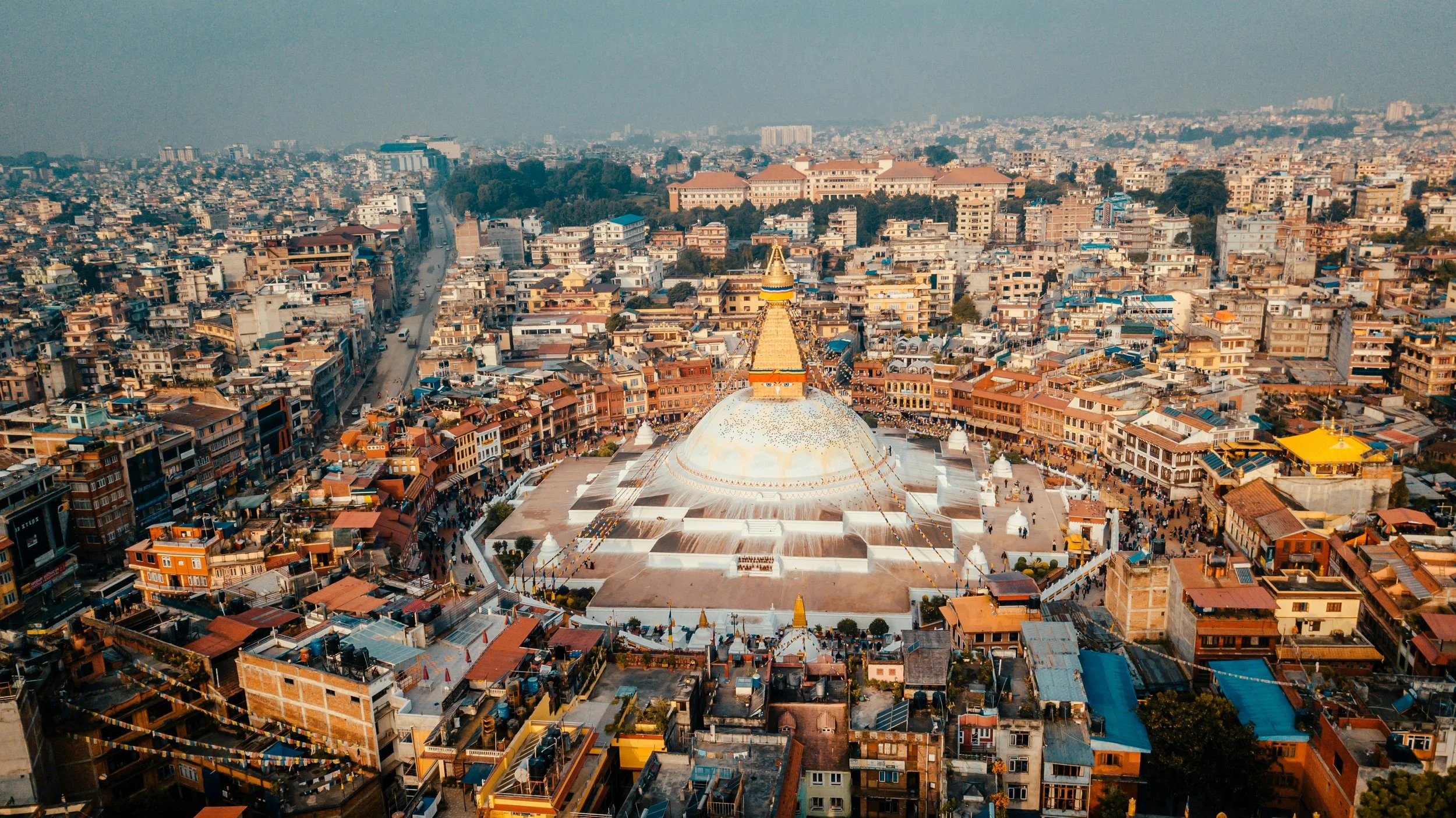
Tehran
Country/Region: Iran/Tehran Province
Unreached Percentage: ~99%
Primary Religion/System: Shi’a Islam
Persecution Rate: High
Category: Stronghold
Profile
Capital of an Islamic republic where state authority and religious identity merge, forming one of the most influential centers of Shi’a Islam.
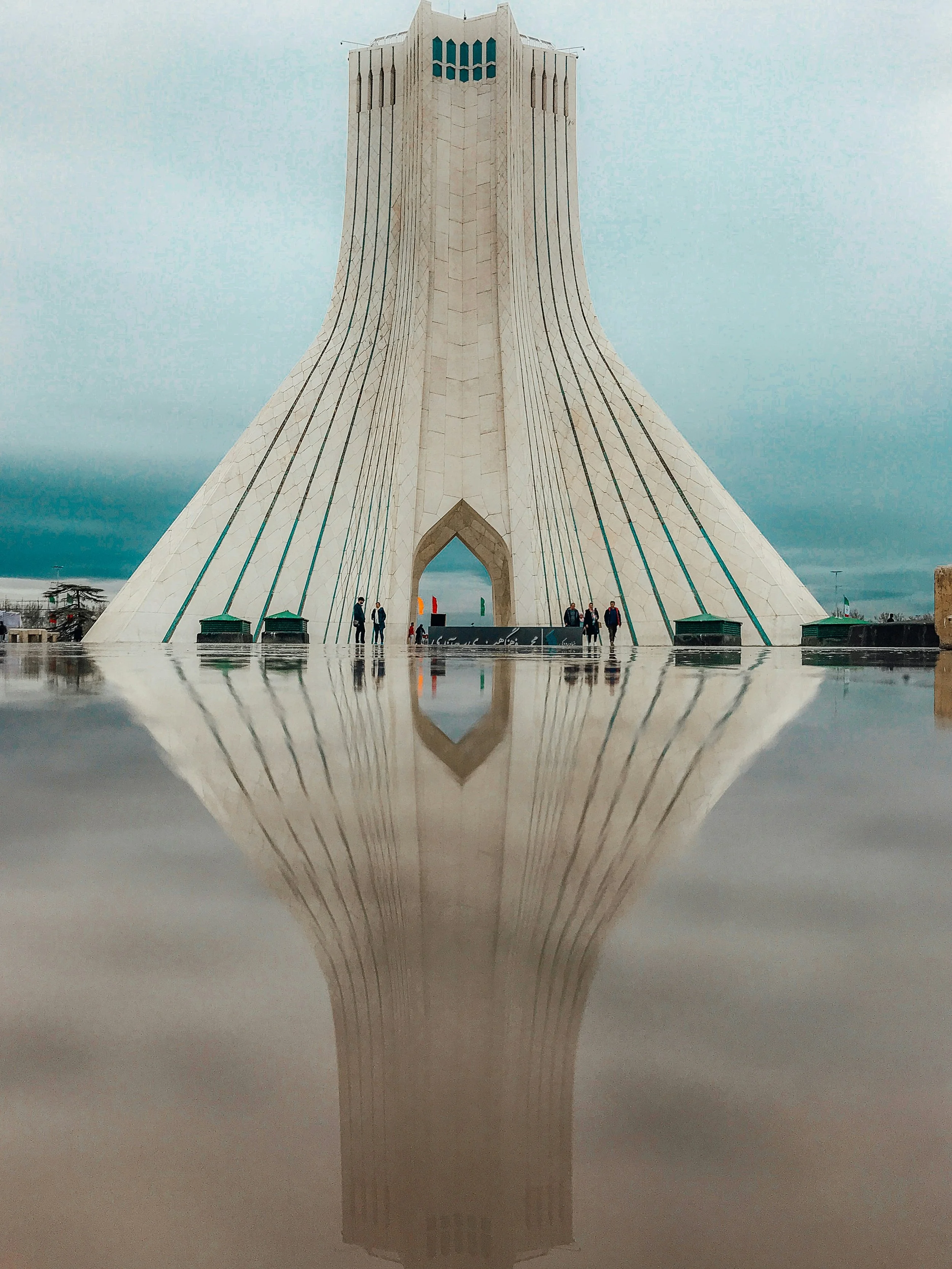
Istanbul
Country/Region: Türkiye/marmara
Unreached Percentage: ~99%
Primary Religion/System: Islam
Persecution Rate: Medium
Category: Stronghold
Profile
A historic crossroads of civilizations where Islamic heritage, ancient Christian history, and modern secular culture converge.
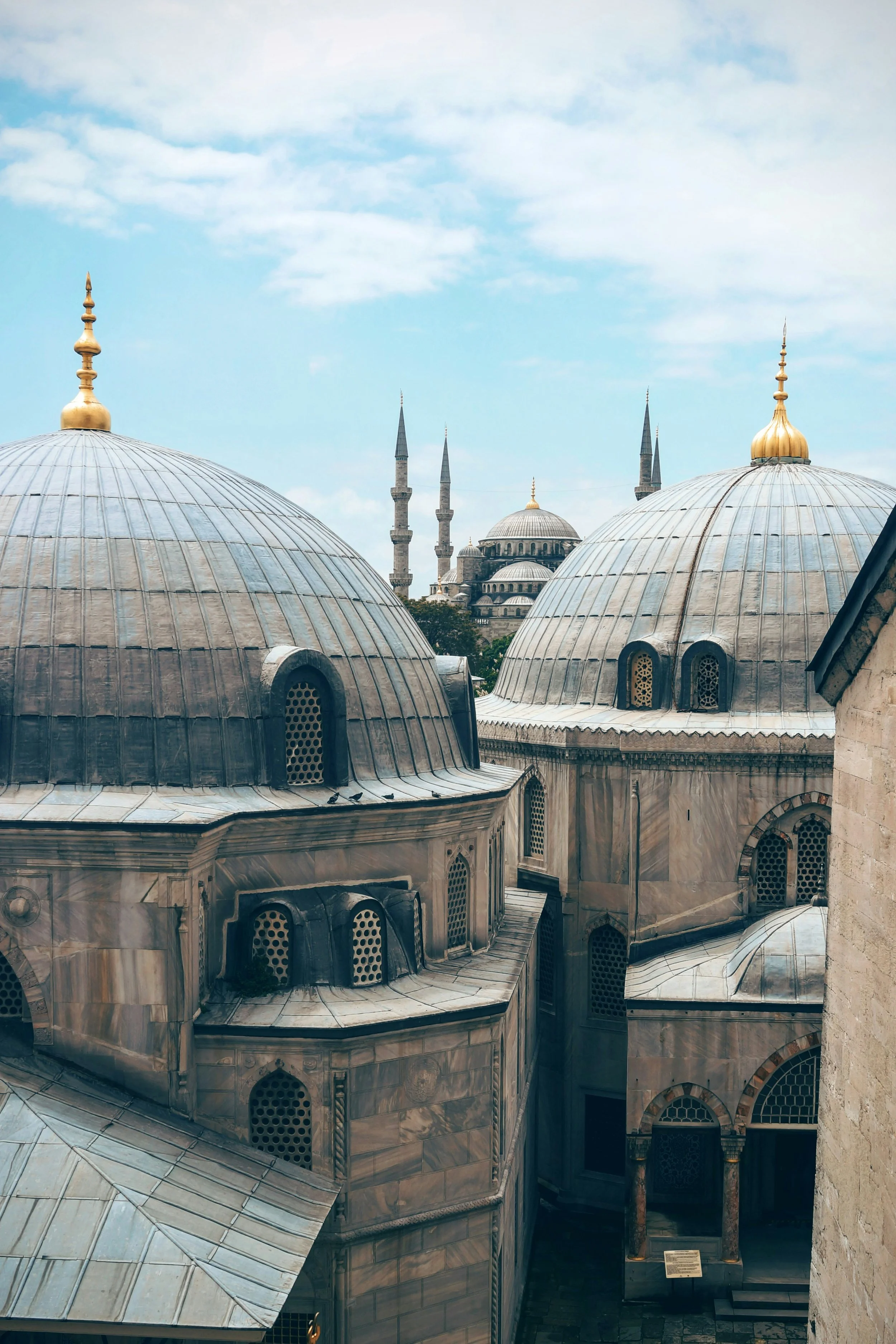
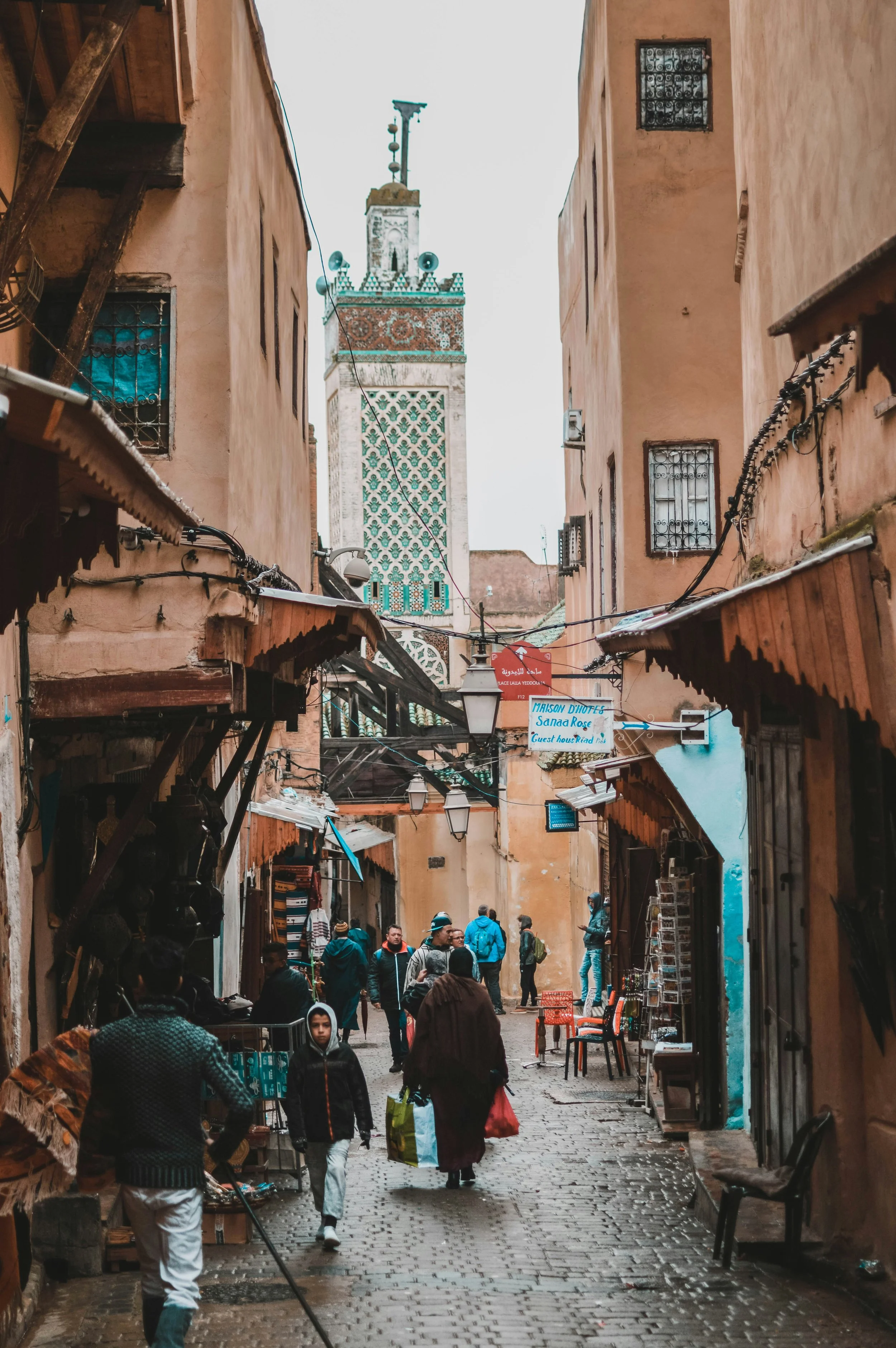
Fez
Country/Region: Morocco/Fès-Meknès
Unreached Percentage: ~100%
Primary Religion/System: Islam
Persecution Rate: High
Category: Epicenter
Profile
One of the most influential historical centers of Islamic scholarship, built around centuries-old institutions of religious learning.
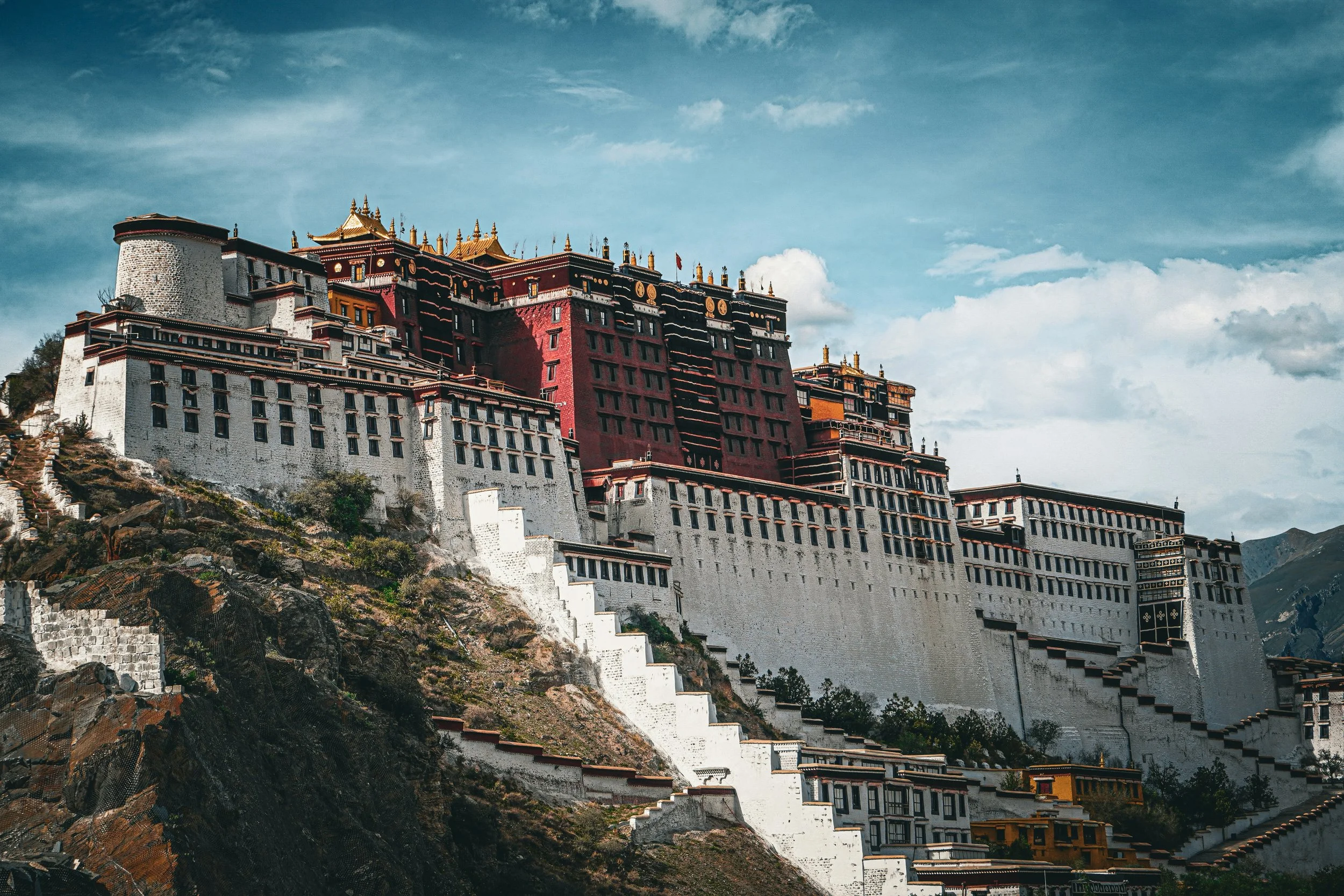
Lhasa
Country/Region: China/Tibet Autonomous Region
Unreached Percentage: ~95%
Primary Religion/System: Tibetan Buddhism
Persecution Rate: High
Category: Epicenter
Profile
Sacred capital of Tibetan Buddhism where monasteries, pilgrimage traditions, and spiritual authority shape the identity of the region.
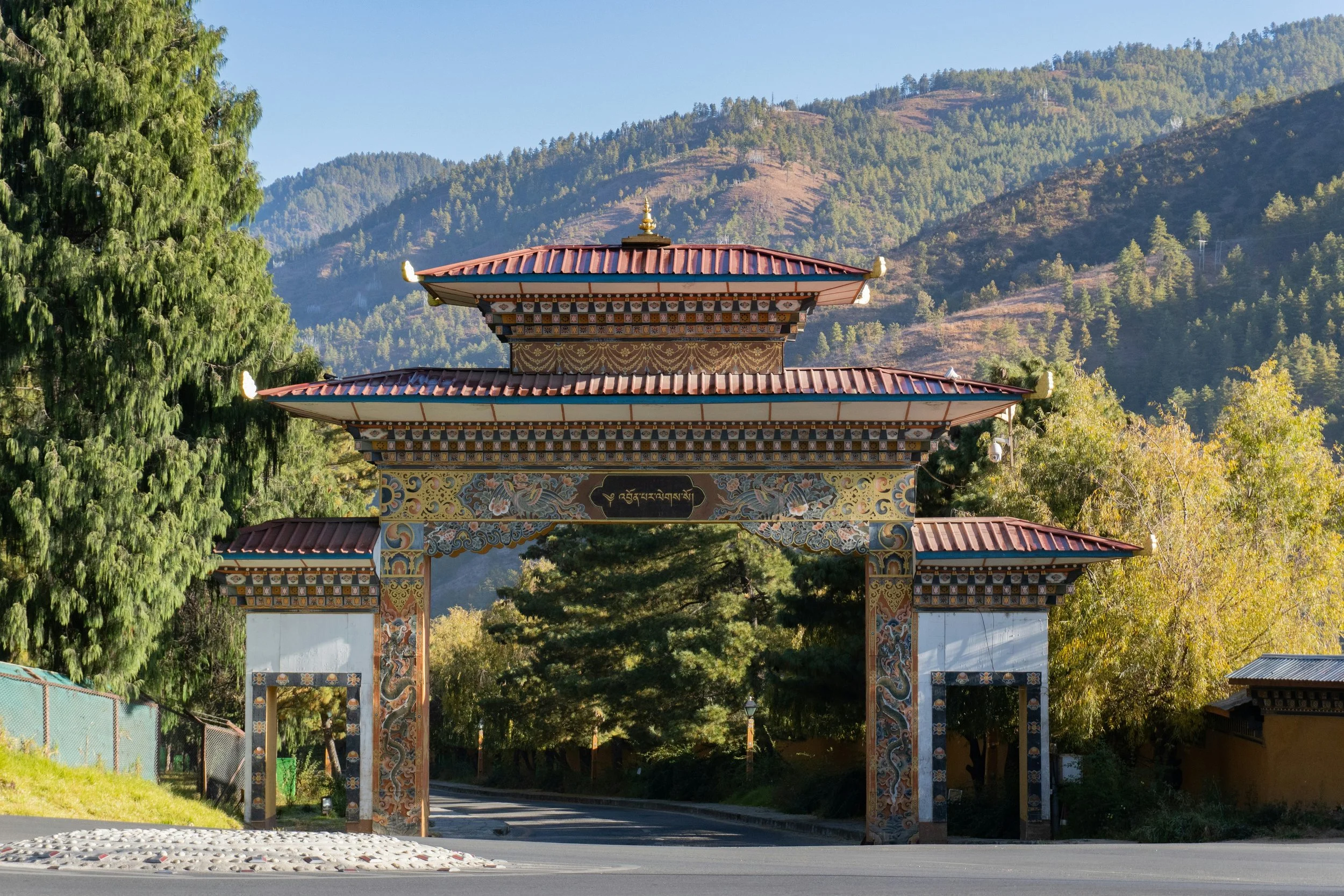
Thimphu
Country/Region: Bhutan/Western Bhutan
Unreached Percentage: ~99%
Primary Religion/System: Tibetan Buddhism
Persecution Rate: Medium
Category: Stronghold
Profile
Capital of a kingdom whose national identity and governance remain deeply intertwined with Buddhist tradition.
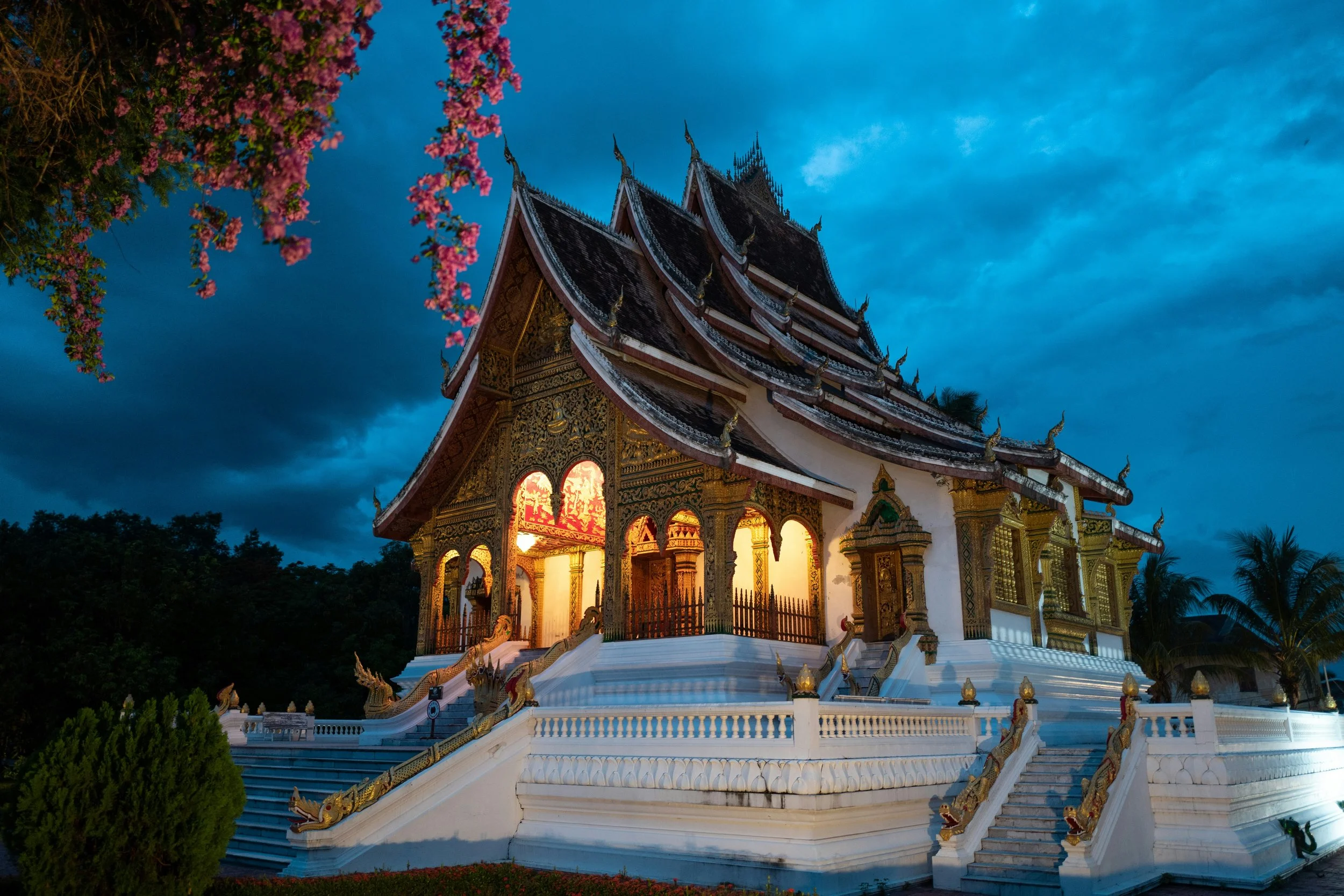
Luang Prabang
Country/Region: Laos/Northern Laos
Unreached Percentage: ~29%
Primary Religion/System: Theravada Buddhism
Persecution Rate: Medium
Category: Epicenter
Profile
A historic royal city where monasteries, monks, and temple-centered life continue to define the cultural and spiritual landscape.
Salt lake city
Country/Region: United States/Utah
Unengaged Percentage: ~65%
Primary Religion/System: Mormonism (LDS Theology)
Persecution Rate: Low
Category: Stronghold
Profile
Global headquarters of the Church of Jesus Christ of Latter-day Saints, where Mormon theology and culture strongly shape regional identity.
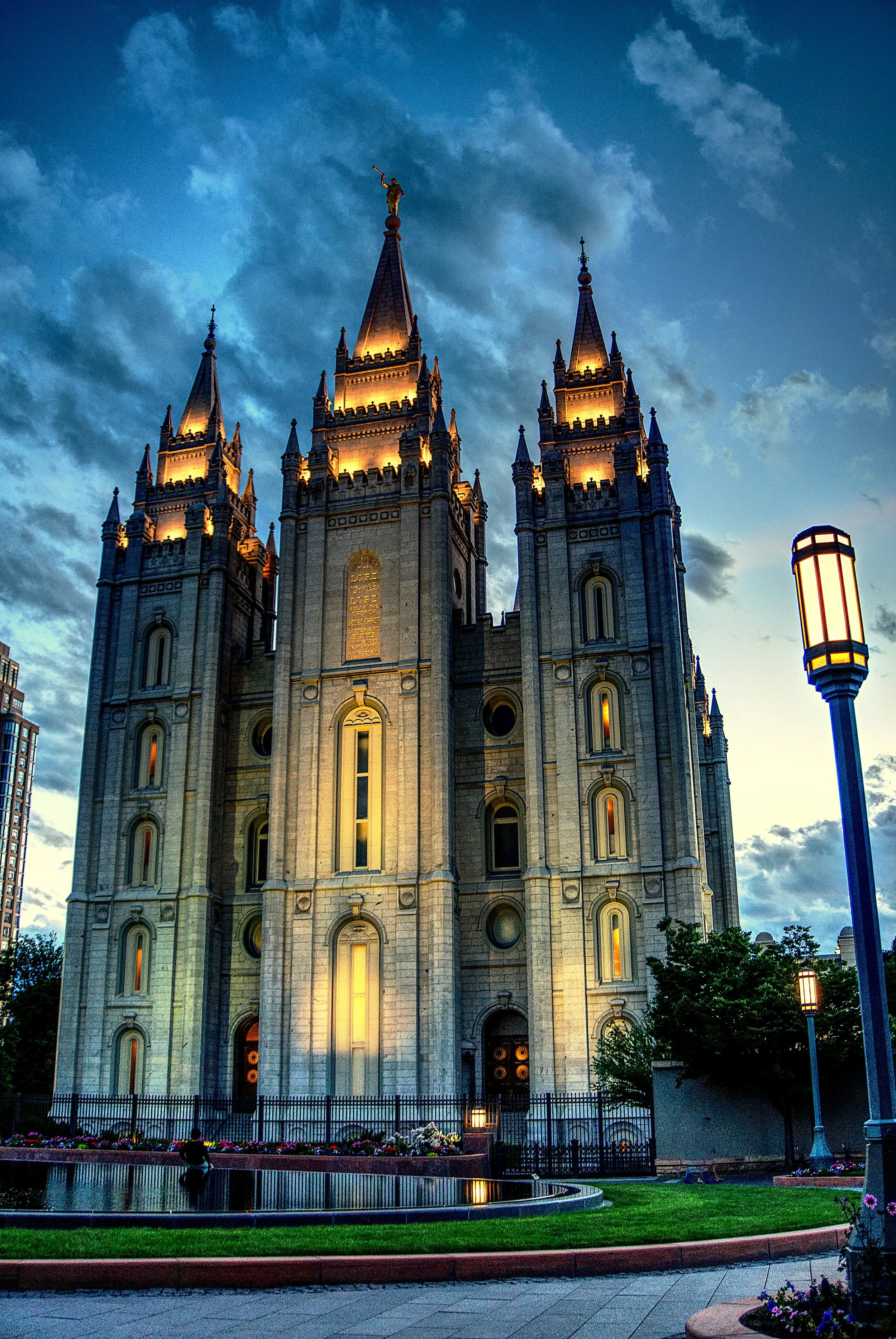
Berlin
Country/Region: Germany/Berlin
Unreached Percentage: ~90%
Primary Religion/System: Secular Humanism/atheism
Persecution Rate: Low
Category: Stronghold
Profile
Often described as Europe’s most secular capital, where decades of political history and modern culture have produced a largely non-religious society.
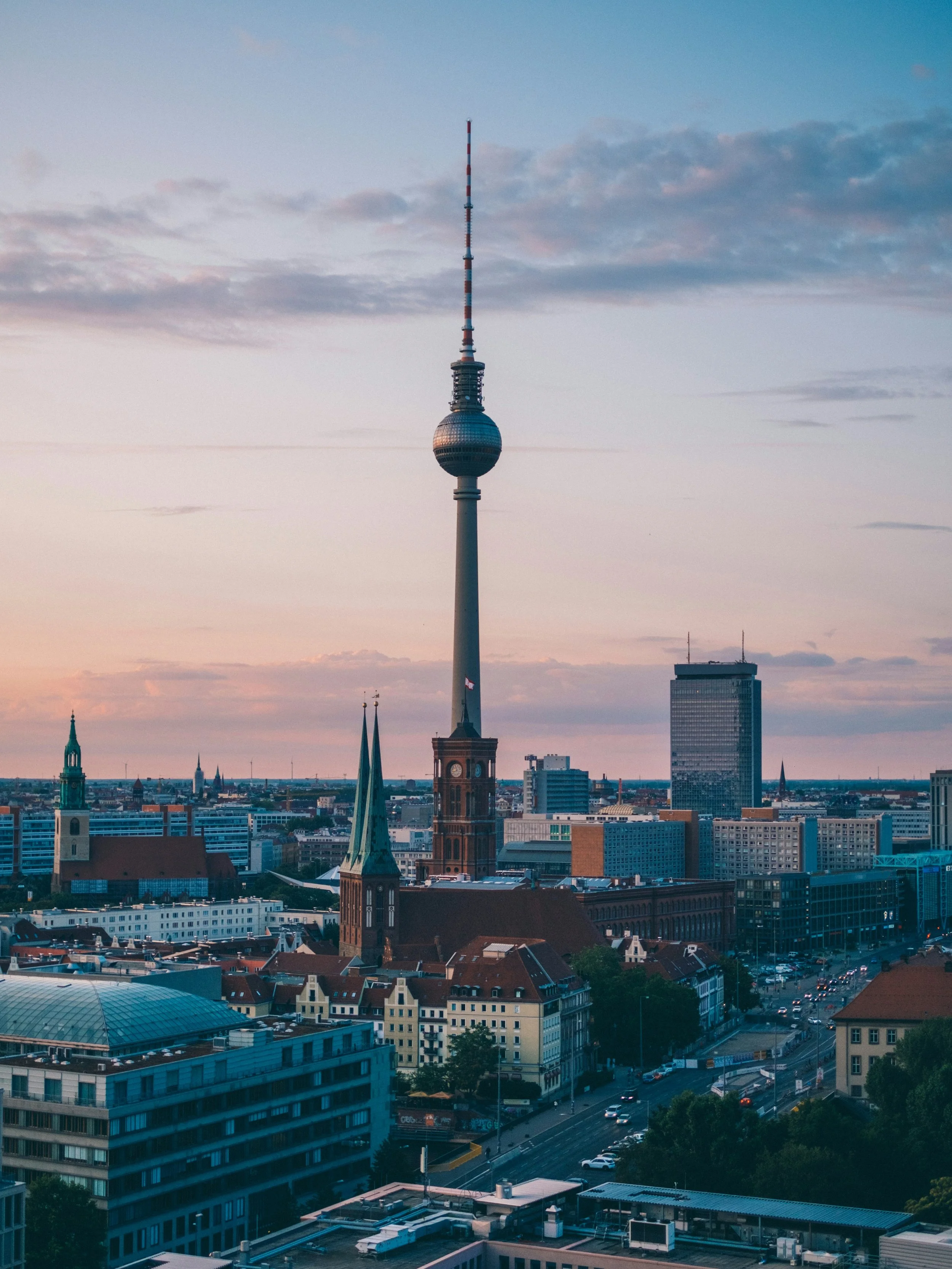
Prague
Country/Region: Czech Republic/Bohemia
Unreached Percentage: ~91%
Primary Religion/System: Secularism/Atheism
Persecution Rate: Low
Category: Stronghold
Profile
Located in one of the least religious countries in the world, where skepticism toward organized religion has become a defining cultural trait.
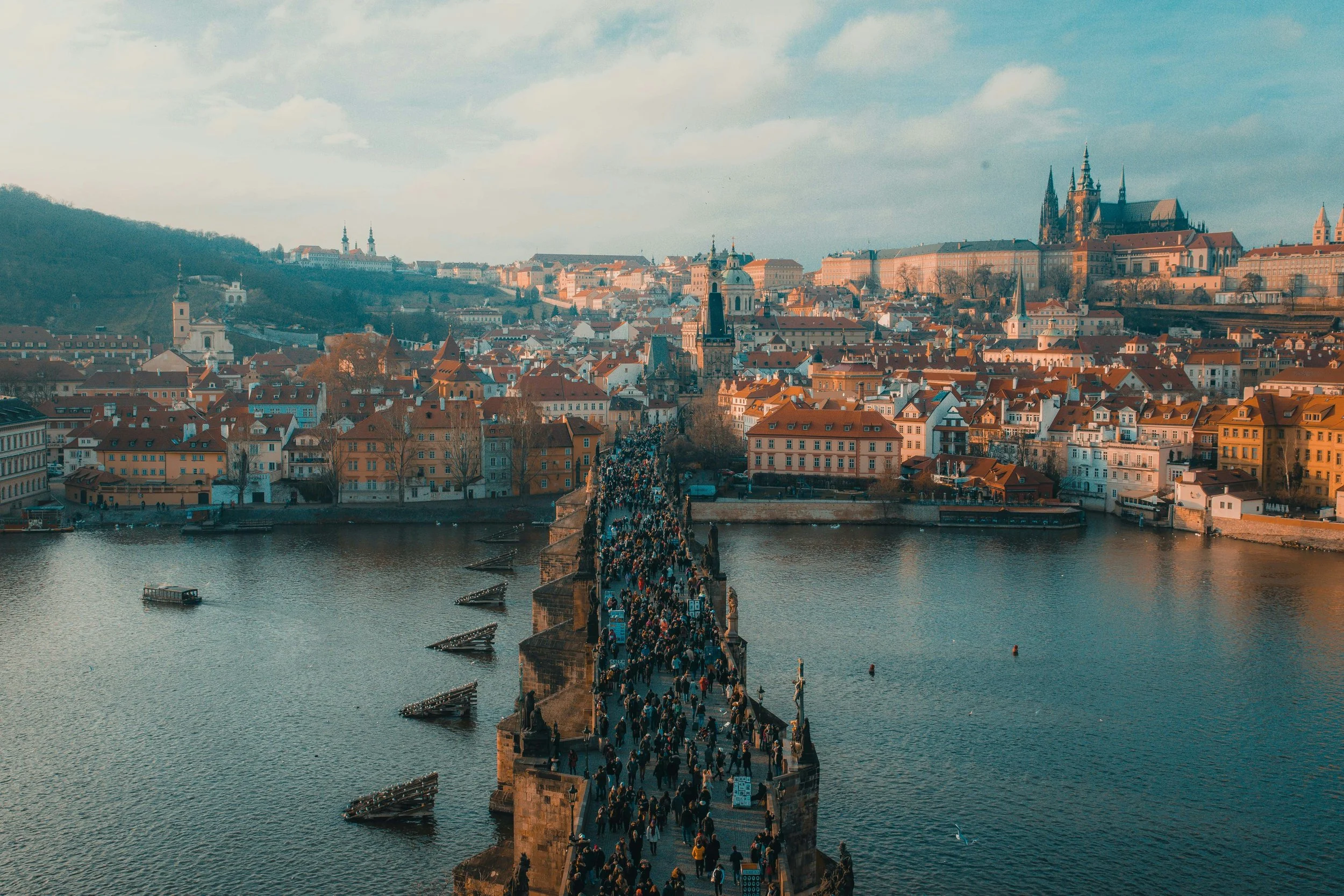
Stockholm
Country/Region: Sweden/Stockholm County
Unreached Percentage: ~80–85%
Primary Religion/System: Secular Humanism
Persecution Rate: Low
Category: Stronghold
Profile
Capital of one of the world’s most secular societies, where traditional religion has largely been replaced by cultural secularism.
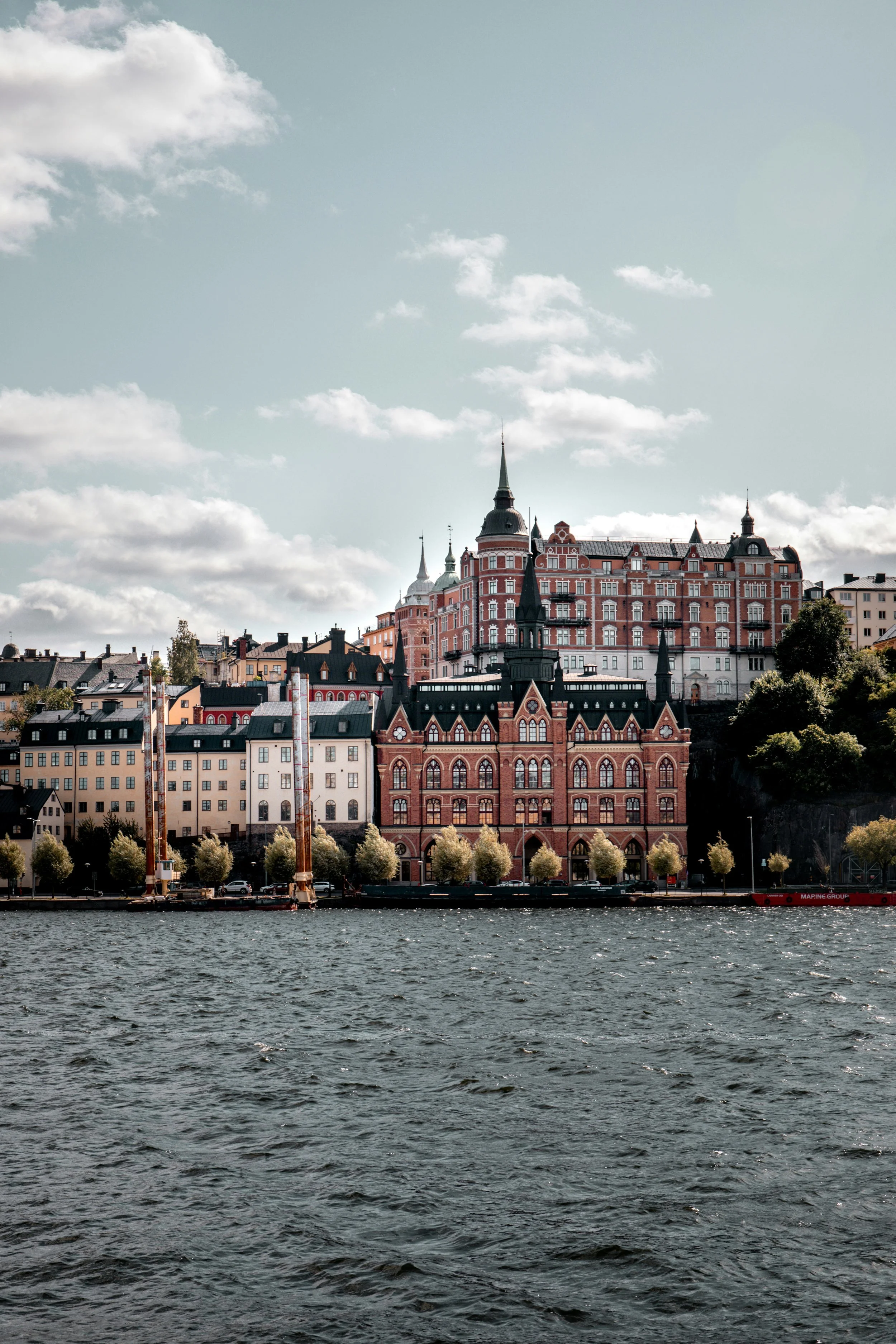
Amsterdam
Country/Region: Netherlands/North Holland
Unreached Percentage: ~75–80%
Primary Religion/System: Secular Humanism/Post-Christian
Persecution Rate: Low
Category: Stronghold
Profile
Once shaped by Protestant Christianity, Amsterdam is now a center of liberal secular culture where religious affiliation has largely faded from public life.
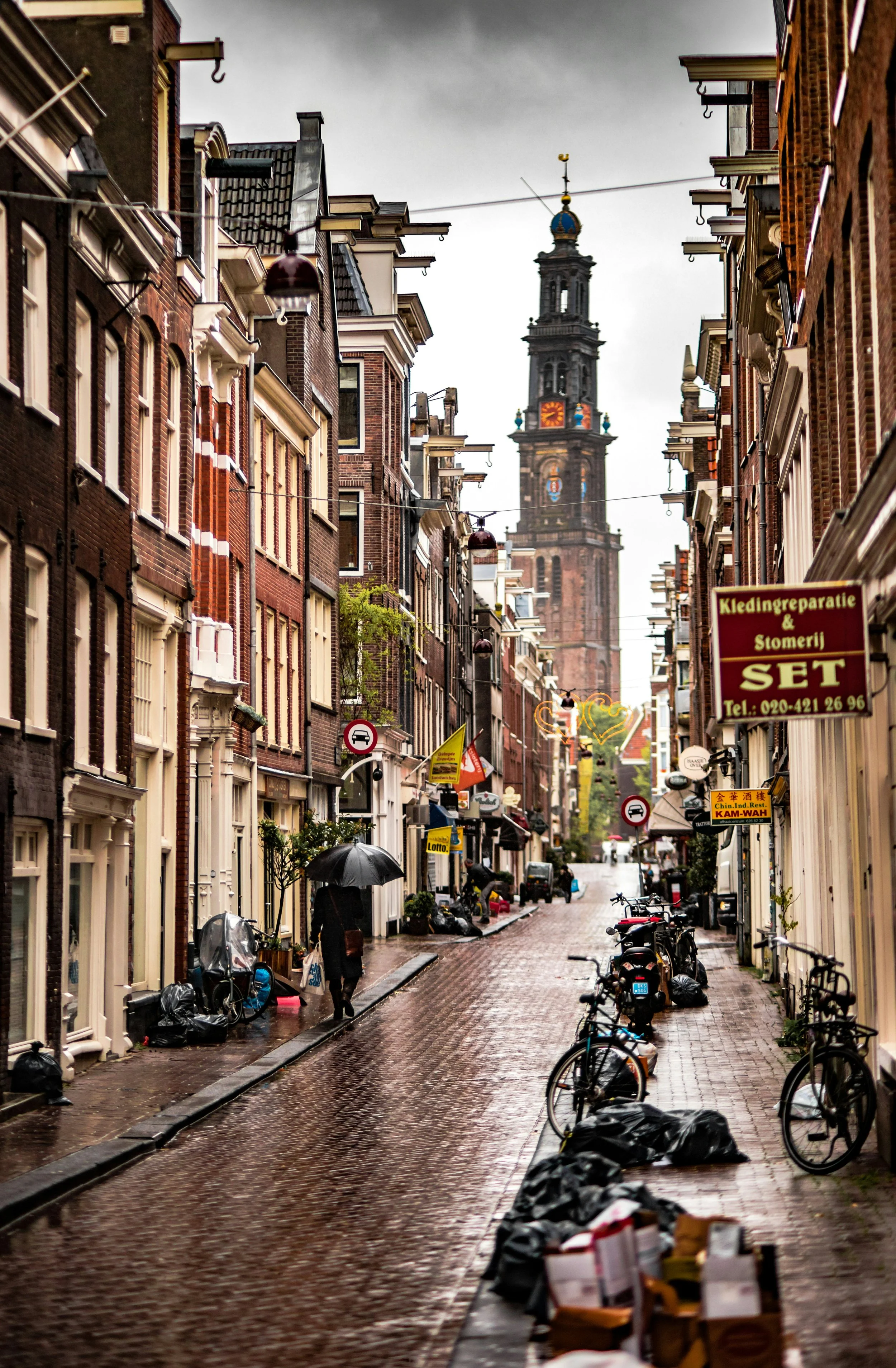
Sedona
Country/Region: United States/Arizona
Unengaged Percentage: ~60–65%
Primary Religion/System: New Age Spirituality/Metaphysical Beliefs
Persecution Rate: Low
Category: Epicenter
Profile
Known internationally for its “energy vortex” sites, Sedona has become one of the most prominent centers of New Age spirituality in the United States, attracting seekers interested in mysticism, meditation, and crystal healing.
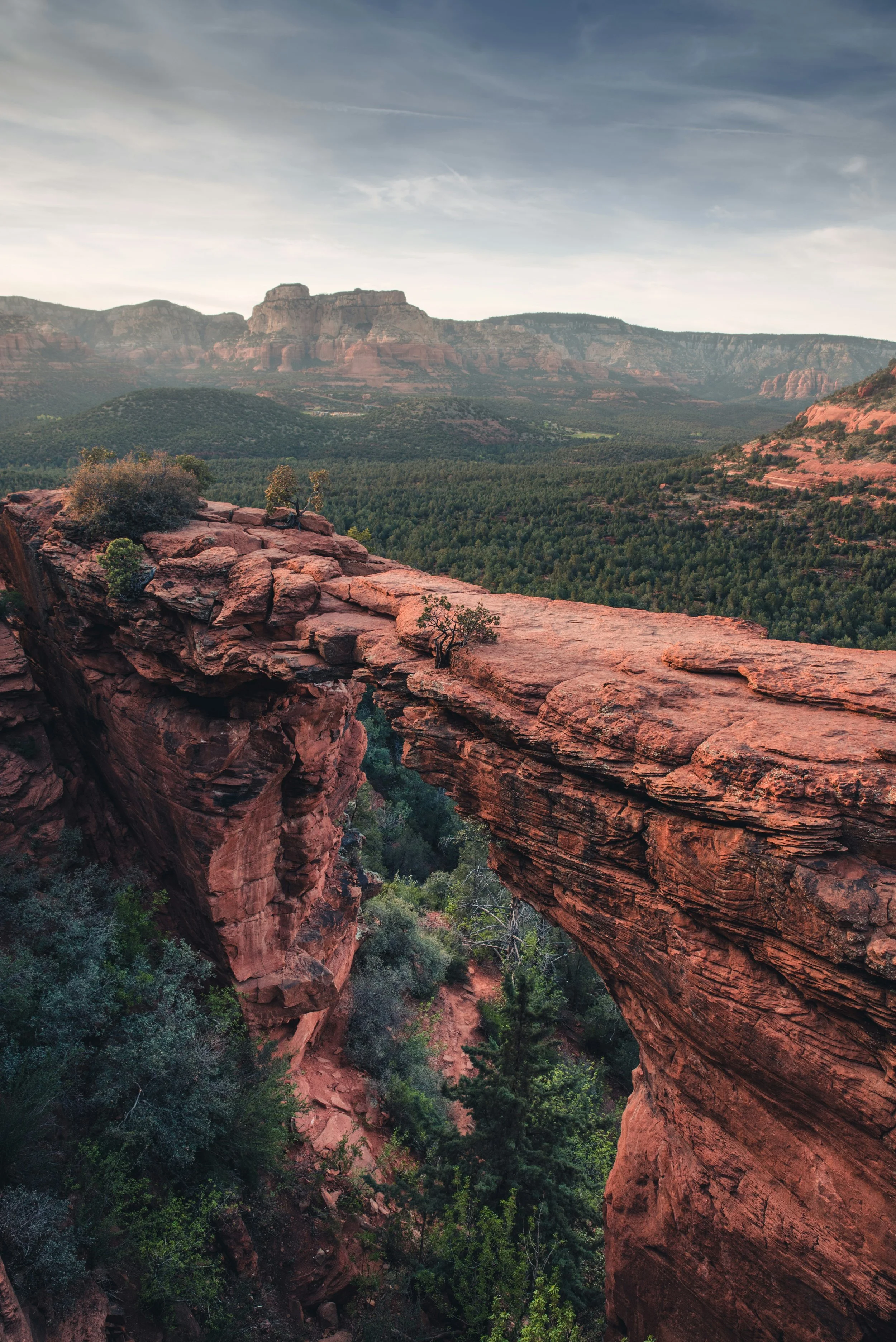
Amritsar
Country/Region: India/Punjab
Unreached Percentage: ~96%
Primary Religion/System: Sikhism
Persecution Rate: Medium
Category: Epicenter
Profile
Home to the Golden Temple (Harmandir Sahib), the holiest site in Sikhism, where daily pilgrimage, sacred scripture readings, and community rituals make the city the spiritual heart of the Sikh world.
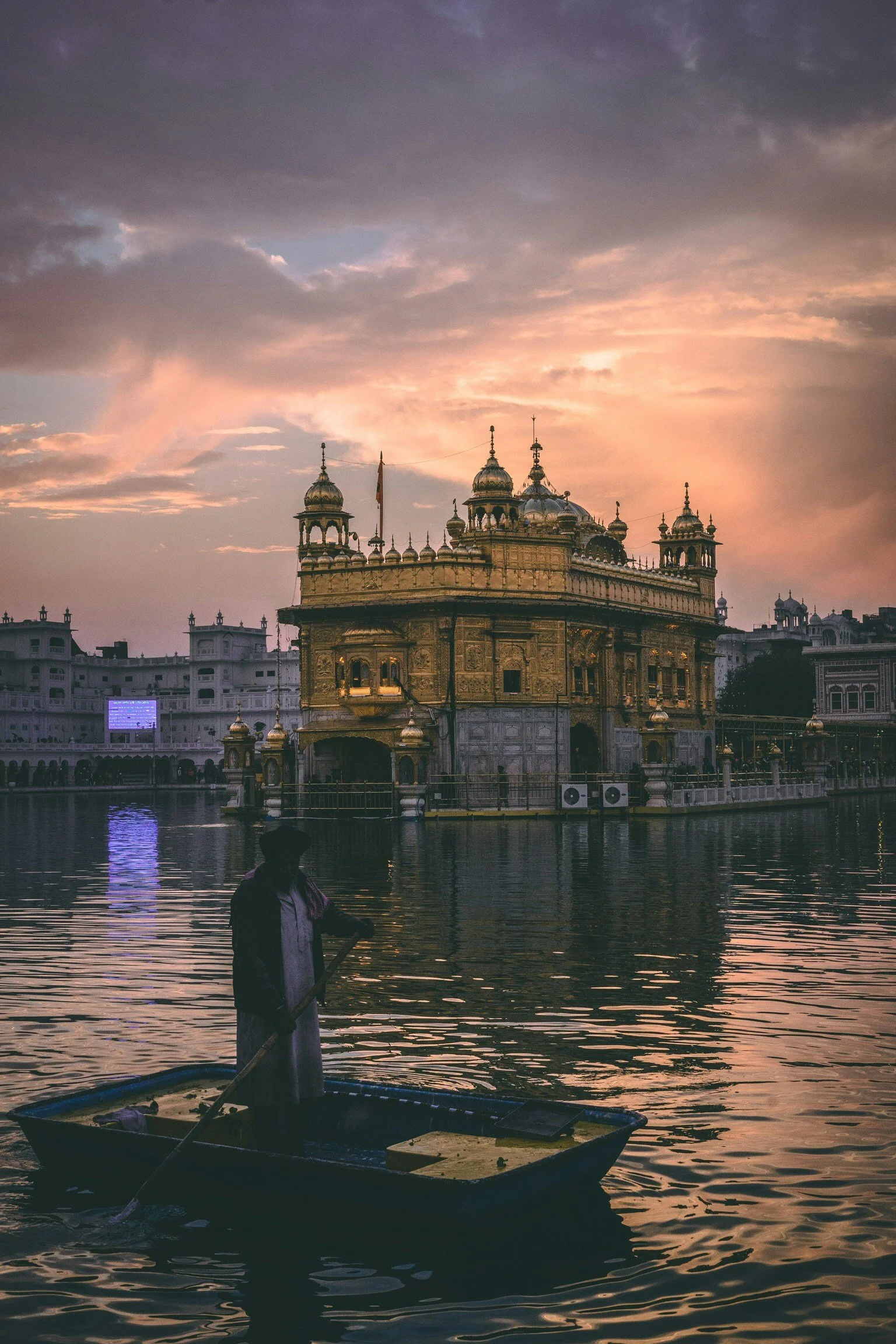
Mayong
Country/Region: India/Assam
Unreached Percentage: ~96%
Primary Religion/System: Folk Hinduism/tantric and occult traditions
Persecution Rate: Medium
Category: Stronghold
Profile
Often called the “Land of Black Magic,” Mayong has long been associated with tantric rituals, folk sorcery traditions, and spiritual practices rooted in regional Hindu and animistic beliefs.
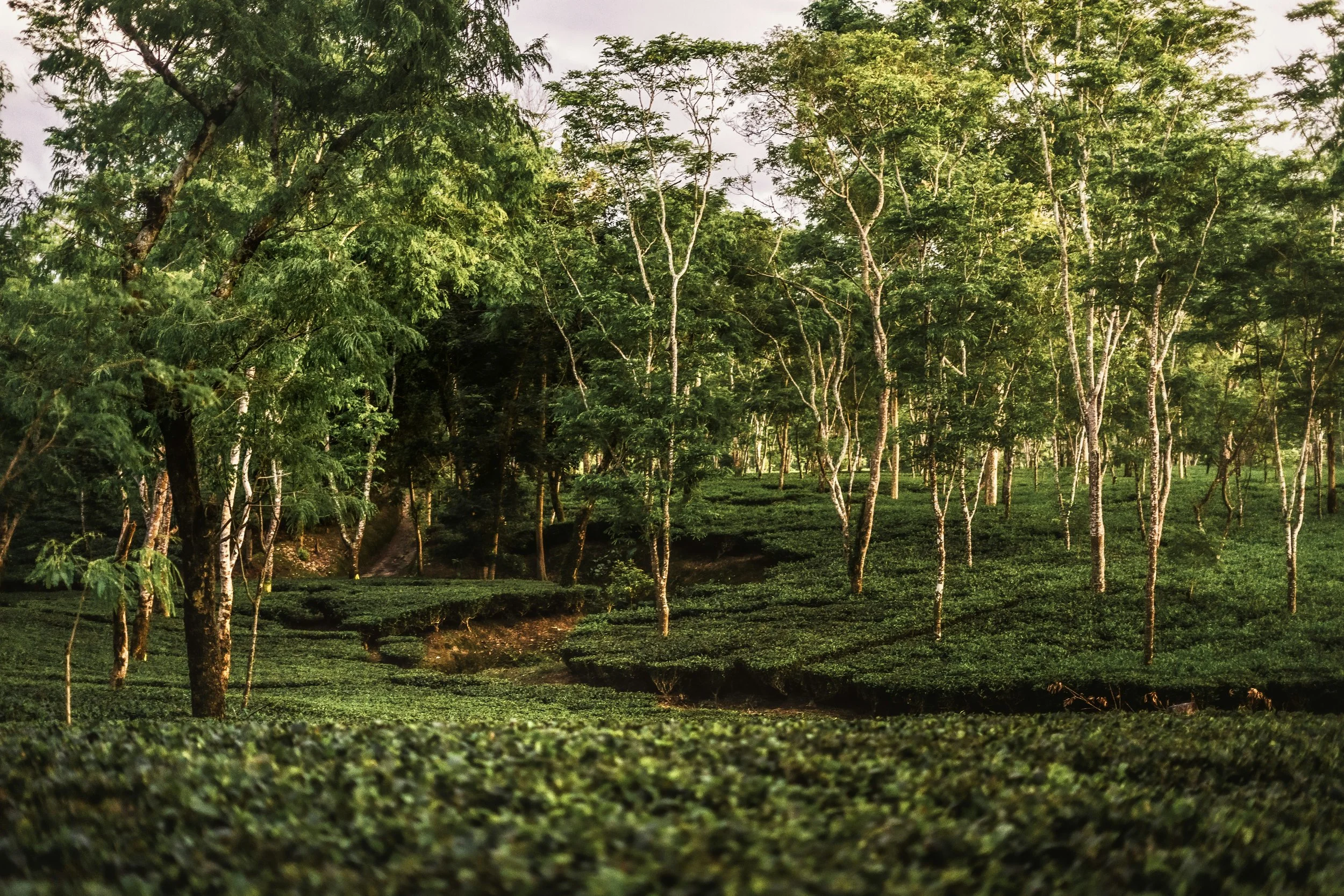
Kinshasa
Country/Region: Democratic Republic of Congo/Kinshasa Province
Unreached Percentage: ~6–10%
Primary Religion/System: Christianity with strong syncretistic animism
Persecution Rate: Low
Category: Stronghold
Profile
One of Africa’s largest cities, where Christianity is widespread but frequently intertwined with traditional spiritual practices rooted in animistic cosmology.
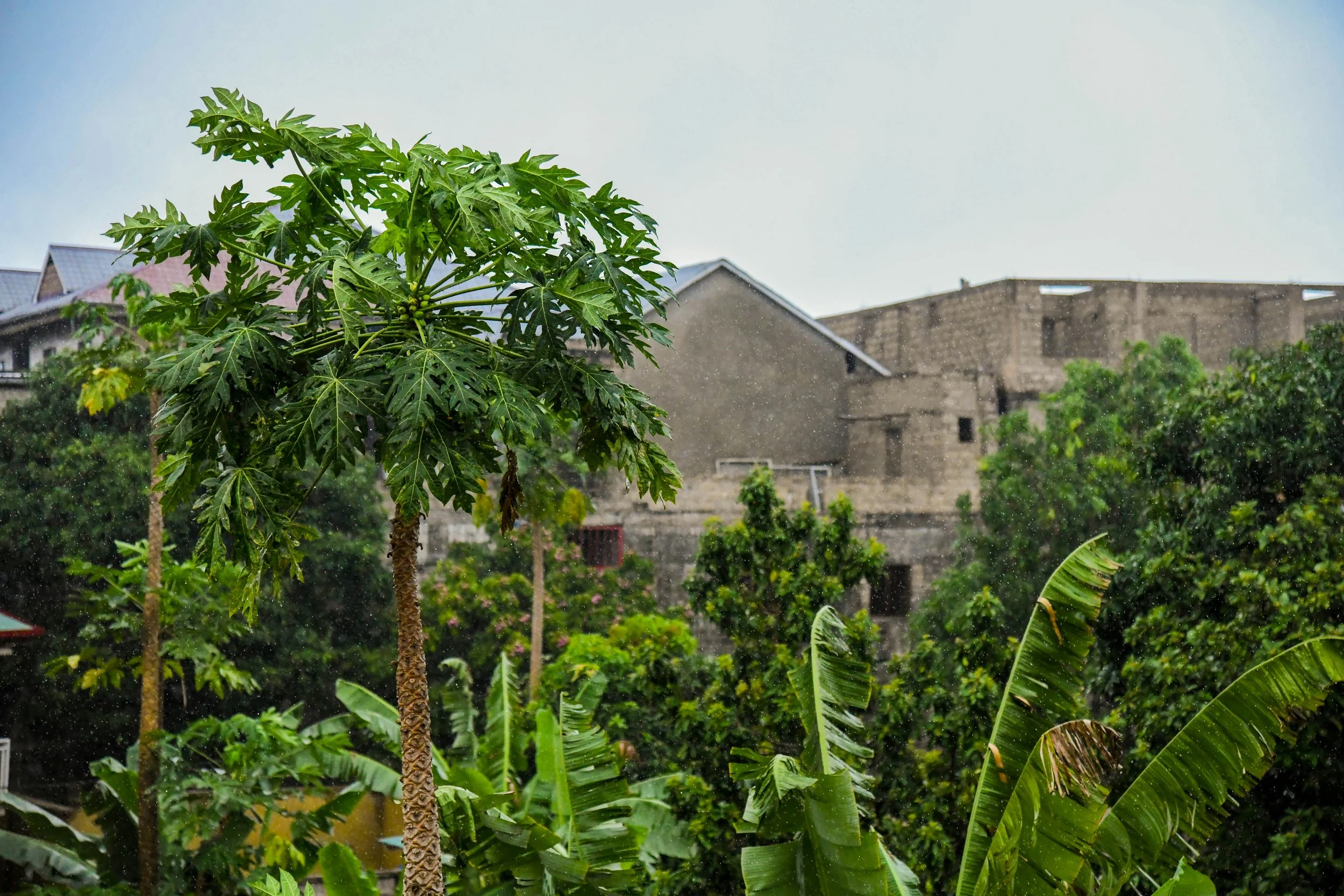
Bangui
Country/Region: Central African Republic/Bangui
Unreached Percentage: ~20–30%
Primary Religion/System: Christianity blended with traditional animism
Persecution Rate: High
Category: Stronghold
Profile
A region where traditional spirit beliefs remain deeply embedded in daily life, often blending with Christianity and Islam in complex and sometimes volatile religious dynamics.

disclaimers and sources
The information used in these case studies comes from several widely recognized research organizations and demographic datasets that track religious affiliation, access to the gospel, and religious freedom conditions around the world. These sources help provide a general picture of the spiritual landscapes shaping different regions. The case studies presented on this page are intended to provide broad insights into spiritual landscapes rather than exhaustive academic analyses. Religious demographics can shift over time, and data is often reported at national or regional levels rather than specific cities.
As a result, some percentages referenced in these case studies represent country-level or regional estimates used as approximations for the broader cultural environment in which these cities exist. Additionally, belief systems within any society are complex and diverse. These summaries are intended to highlight dominant religious or worldview trends rather than describe every individual belief within a culture. Blacklight approaches each environment with humility and respect, seeking to understand the cultures and traditions that shape societies while documenting the work of the gospel within them.
Joshua Project – Global Unreached People Group Database https://joshuaproject.net
Open Doors – World Watch List on Christian Persecution https://www.opendoors.org
Pew Research Center – Global Religious Landscape Studies https://www.pewresearch.org
Association of Religion Data Archives (ARDA) – Religious Demographic Data https://www.thearda.com
World Values Survey – Global Cultural and Religious Trends https://www.worldvaluessurvey.org
CIA World Factbook – Global Demographic and Religious Data https://www.cia.gov/the-world-factbook
Encyclopaedia Britannica – Historical and Religious Context https://www.britannica.com
ABWE – The Difference Between Unreached and Unengaged People Groups https://abwe.org/blog/difference-between-unreached-and-unengaged/